
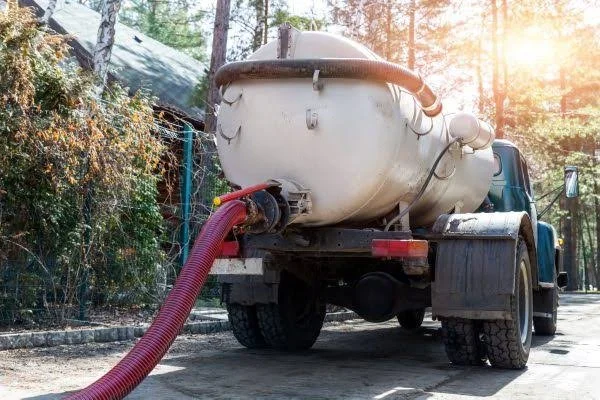
Septic Pumping
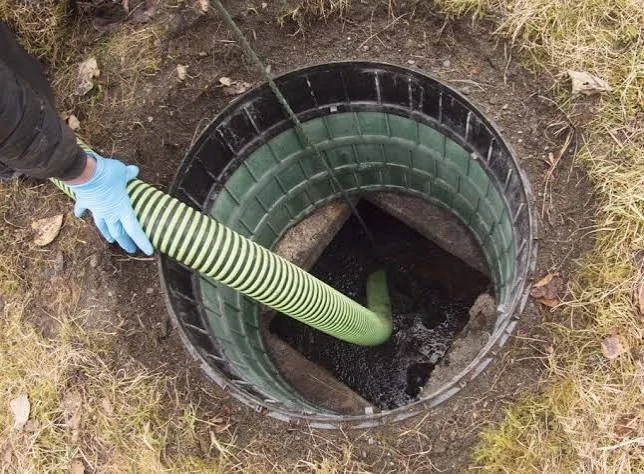
Septic pumping removes accumulated sludge and scum from the septic tank using a vacuum truck. The process usually takes anywhere from 15 minutes to an hour. Technicians locate and open the main tank lids, vacuum out all liquid and solid waste, inspect the system for damages, and may rinse the tank to ensure all solids are removed.
It’s recommended to have your septic system pumped every 3-5 years at a minimum — sometimes every 1-2 years for larger households. If you’re experiencing backups, slow draining, odors, or mushy spots near your septic field, it’s time to call Dennis LaSassa Jr. Plumbing LLC — your partner for all things septic maintenance in South Jersey, Central Jersey, and the Hammonton, NJ area.
When’s the last time you had your septic system pumped?
LaSassa Plumbing is South Jersey’s partner for all things septic maintenance!
Get in touch today!
(609) 567-2720
Septic Pumping in Hammonton, NJ
Our professional septic pumping services include:
Key Stages of the Septic Pumping Process
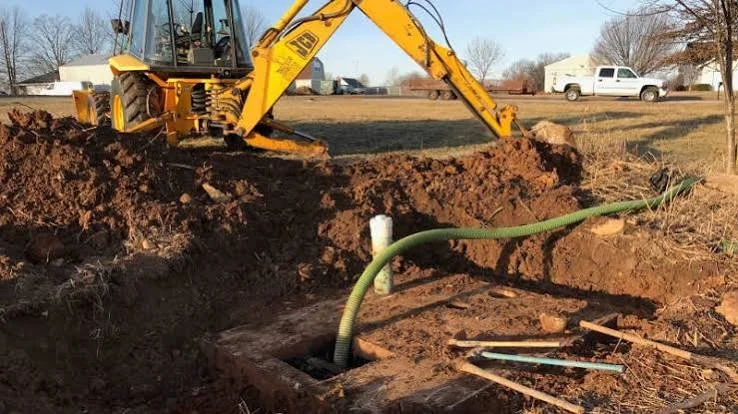
Locating and opening lids: technicians uncover the tank and gain access
Vacuum pumping: a large vacuum hose is inserted into the tank to extract all sludge from the bottom and scum from the top, often reversing the flow to agitate and break up heavy solids
Cleaning the tank: technicians will wash down the interior of the tank to remove stubborn waste
Inspection: the technician inspects the baffles (inlet and outlet pipes), checks the structural integrity of the tank for cracks, and checks for effluent filter clogs
Closing: after verifying the system is clear, the covers are replaced and reburied
Commonly Expected Outcomes
Prevention of backups: removing the buildup ensures the tank has room for new waste, preventing sewage from backing up into your home
System protection: regular pumping (generally every 3-5 years) prevents excess solids from flowing into and ruining the drain field
Improved efficiency: toilets flush better and drains function faster afterward
Backfilling: we will carefully fill and compact soil around the system components to prevent shifting or surface settling
Key Warning Signs
Key signs that a septic tank needs pumping include slow-draining fixtures (sinks/toilets), sewage backups in the home, foul odors, unusually lush grass over the drain field, and standing water, puddles, or mushy ground near the tank.
Examples include:
Slow drains/gurgling: multiple drains or toilets in the house acting sluggish or making gurgling noises indicate the tank is too full for water to flow properly
Foul odors: persistent, strong sewage-like odors around the property, particularly near the septic tank or drain field
Pooling water/soggy ground: water that pools around the tank or over the drain field without recent rain can indicate an overflowing tank
Lush green grass: a patch grass directly over the septic system that is exceptionally greener or grows faster than the surrounding lawn can indicate excessive waste leaking, causing over-fertilization
Sewage backup: sewage returning through drains (especially at the lowest level of the house) is an immediate emergency sign
Why Pumping is Necessary
Ignoring these signs can lead to severe issues like drain field failure, which can cost $15,000 to $35,000 for a complete system replacement. Regular maintenance protects your system, your home, and your wallet. Most household septic tanks should be pumped every 3-5 years. However, the exact schedule depends on your tank size, the number of people living in your home, and your daily water use. Smaller homes with fewer people can wait longer, while large families may need pumping every 1 to 2 years.
Key factors that could change the schedule:
Household size: more people means more wastewater and faster solid buildup
Tank capacity: smaller tanks fill up much faster than large 1,500 or 2,000 gallon tanks
Daily habits: using a garbage disposal or doing heavy laundry loads adds extra solids and water, requiring more frequent pumping
Symptoms and related indicators of a full tank:
Saturated or spongy soil in the drain field area
Clogged plumbing lines or slow flushing toilets
Septic alarm sounding (for systems with pumps)
Excessive accumulation of sludge and scum
Slow-draining sinks and tubs
Toilets that gurgle or flush poorly
Bad sewage odors around your yard or house
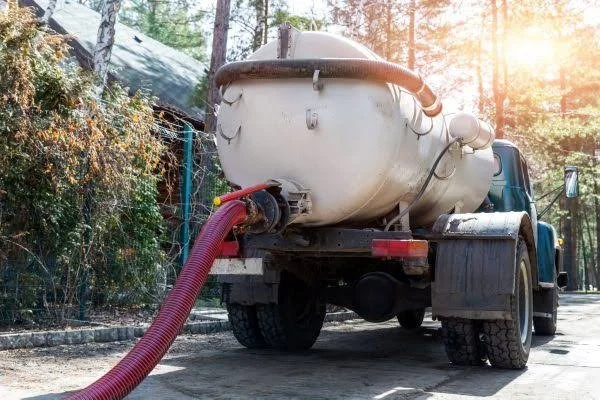
South Jersey Septic System Pumping
If it’s been a few years since you last pumped out your septic tank, it’s time to give us a call. Don’t wait for the warning signs to appear. Avoid costly issues and reach out today!